

At Diesel, LCD screens were arranged in a montage layout, deliberately breaking up the uniform grid typically associated with LCD walls. This approach softened the visual structure and created a more dynamic, design led look within the space.
Choosing the right display technology is a critical decision for businesses in 2026. With so many options available, the debate often comes down to LED versus LCD. Both have their merits, but LED displays are increasingly becoming the preferred choice for organisations that want impact, flexibility, and long-term value. This article explores the differences between LED and LCD, helping you decide which technology best suits your business needs.
At MediaZest, we specialise in delivering tailored LED solutions that transform spaces and elevate brand experiences. Explore our full range on the LED product page.
Understanding the Basics
LCD (Liquid Crystal Display) technology has been widely used for decades. It relies on liquid crystals illuminated by a backlight to produce images. LCD screens are common in televisions, monitors, and smaller digital signage applications.
LED (Light Emitting Diode) technology, on the other hand, uses individual diodes to create light and colour directly. This allows for brighter, sharper, and more flexible displays that can be scaled to any size.
Visual Quality
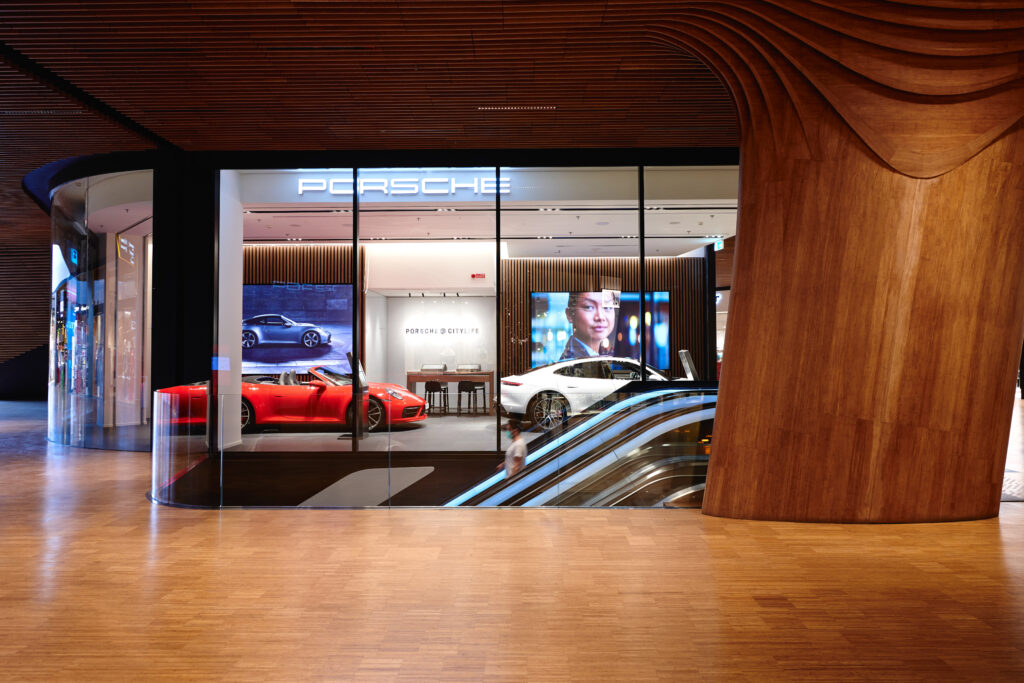
Porsche used LED displays to deliver maximum impact and visibility. Seamless large scale screens dominate the showroom, creating a bold visual presence that draws attention and supports immersive brand storytelling.
LED displays deliver superior brightness, contrast, and colour accuracy compared to LCD screens. They maintain clarity even in brightly lit environments, making them ideal for retail, events, and outdoor advertising. LCD screens often struggle with glare and limited viewing angles.
For more on visual impact, see Top 10 Benefits of LED Walls vs. Traditional Screens.
Flexibility and Scalability
LED walls are modular, meaning they can be built to fit any space or shape. LCD screens are limited to fixed sizes, restricting creative possibilities. Businesses looking for immersive environments or large-scale displays will find LED far more adaptable.
Related reading: Designing with LED: Creative Ideas for Stunning Visual Impact.
Energy Efficiency
Modern LED panels consume less energy than LCD screens, reducing operating costs and supporting sustainability goals. As businesses face increasing pressure to reduce carbon footprints, LED technology offers a clear advantage. See: Energy Efficiency and Sustainability: Why LED Displays Lead the Way.
Durability and Lifespan
LED displays typically last longer than LCD screens, with lower maintenance requirements. LCD panels are more prone to issues such as backlight failure or image retention. For businesses seeking long-term ROI, LED is the more reliable option.
For ROI insights, see The ROI of LED Displays: Cost vs. Long-Term Value.
Cost Considerations
LCD screens are generally cheaper upfront, making them appealing for smaller budgets. However, LED displays deliver stronger long-term value through durability, energy savings, and customer engagement. Businesses should weigh initial costs against overall ROI.
Applications in Business
LED displays excel in environments where impact and scale matter — retail spaces, corporate events, outdoor advertising, and education. LCD screens may still be suitable for smaller, low-impact applications such as office monitors or basic signage.
For retail applications, see How LED Video Walls Transform Retail Spaces and Customer Experience.
Future-Proofing Your Investment
Technology continues to evolve, and LED displays are designed to keep pace. With advancements in microLED and interactive features, LED solutions are future-proof. LCD technology, while reliable, is reaching its limits in terms of innovation.
For insights into upcoming developments, read The Future of LED Technology: Trends to Watch in 2026 and Beyond.
Conclusion
While LCD screens still serve certain applications, LED displays offer unmatched quality, flexibility, and sustainability. For businesses in 2026, LED technology is the smarter investment, delivering impact today and preparing for tomorrow’s innovations.
👉 Discover how LED solutions can transform your business by visiting our LED product page.
Recent Comments